Bag and backpack manufacturer in Bangladesh
Belle Vouz makes private-label totes, backpacks and crossbody bags in Bangladesh in canvas, leather and technical fabric, from 500 pieces per style. We publish the cost breakdown rather than a price, because material, hardware and volume move it too far.
Overview
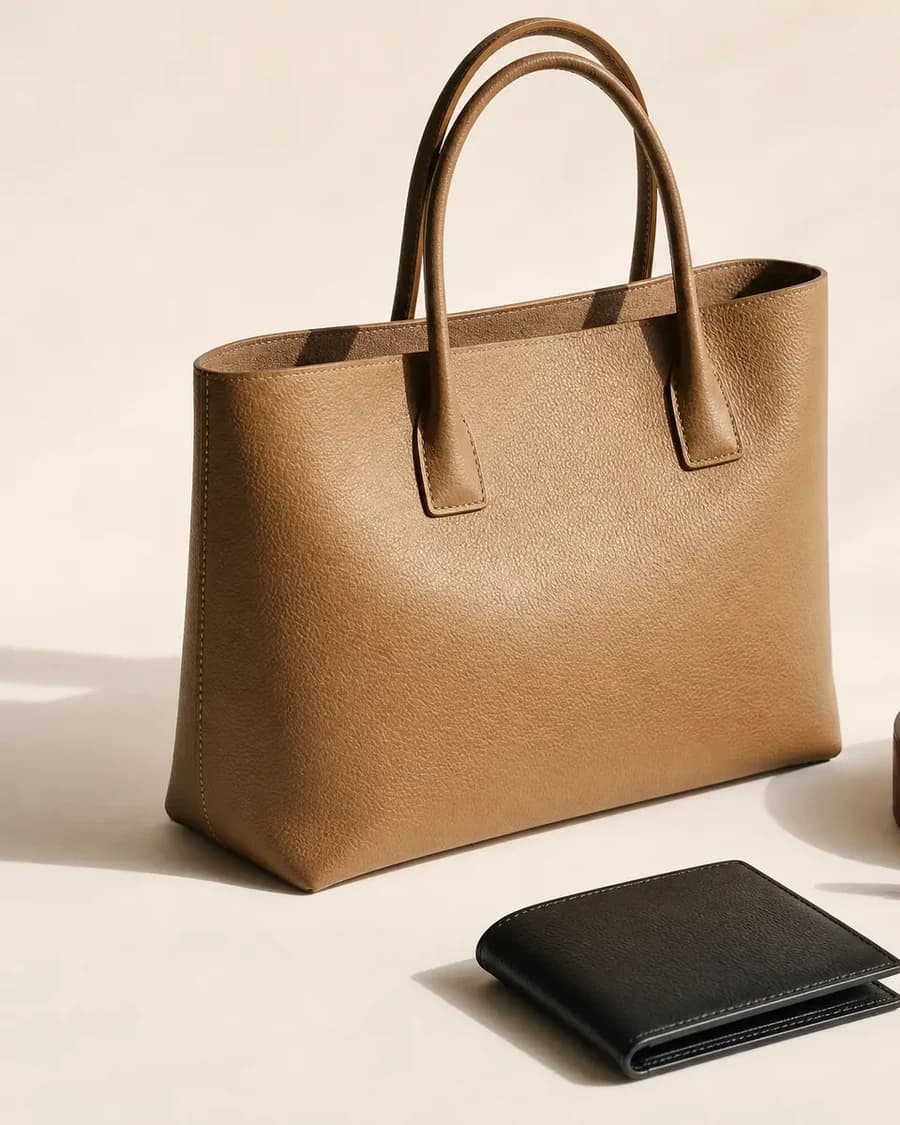
Totes, backpacks and crossbody bags across canvas, leather and technical fabric, in structured and unstructured silhouettes. Strap attachment points are where a bag actually fails under real-world use — under-reinforced stitching there is the single most common return reason in the category, which makes it worth specifying exactly how a factory reinforces that junction rather than assuming it's handled. What sits behind the outer material matters just as much as the outer itself: reinforcement fabric, foam or board inside the structure decides whether a bag holds its shape over time, and a beautiful outer over a flimsy internal build is the most common private-label disappointment in this category. Lining choice — cotton twill, polyester, or water-resistant options — affects both durability and how the bag performs in real conditions, not just its interior finish.
What's actually in the spec.
| Material | Typical use | Note |
|---|---|---|
| Canvas | Totes, casual crossbody | Durable, affordable, takes print/embroidery well |
| Leather (full or top-grain) | Premium totes, structured bags | Higher cost, develops character (full-grain) |
| Technical / recycled fabric | Backpacks, weather-resistant bags | Lightweight, water-resistant options available |
There's no honest single number to publish here.
Bags pricing varies too much by leather grade, hardware and volume for a general range to mean anything. Here's what actually makes up the FOB price, so you can read a quote line by line instead of taking a number on faith.
| Cost component | Share of FOB | What it covers |
|---|---|---|
| Fabric | 38–52% | Yarn, knitting or weaving, dyeing, finishing |
| Trims & accessories | 5–12% | Labels, zips, buttons, thread, elastic, packaging |
| CM (cut & make) | 15–25% | Cutting, sewing, finishing, factory overhead |
| Wash / print / embroidery | 0–15% | Optional decoration — adds up fast |
| Factory margin & compliance | 8–12% | Audits, certifications, testing |
500 pieces per style
10–16 weeks from approved tech pack to ex-factory: sampling and approvals, fabric booking, then 45–75 days of bulk production
What buyers ask about bags.
Why does the bag's internal structure matter as much as the outer material?
Because a beautiful outer over a flimsy internal build is the most common private-label disappointment in this category, and it's a failure mode that's genuinely invisible until the bag is in use. Reinforcement fabric, foam panels or board inserted inside the structure are what actually decide whether a tote or backpack holds its shape when loaded, or whether it collapses into a shapeless bag the moment anything heavier than a phone goes inside. A factory can use a premium canvas or leather outer and still produce a bag that looks slack and unstructured within weeks if the internal reinforcement was skipped or under-specified to save cost. Ask specifically what's used behind the outer material — not just what the outer material is — since that's the question that actually predicts whether the bag looks the same in month three as it did in the sample.
What's the most common failure point on a bag?
The strap attachment point, almost always — under-reinforced stitching at the junction where a strap meets the body of the bag is the single most common return reason in this category, by a wide margin over anything related to the outer fabric or the overall silhouette. It's an easy thing to overlook during sampling because a bag with a weak strap attachment looks completely fine on day one; the failure only shows up after repeated real-world use puts sustained stress on that exact junction. Ask a factory specifically how they reinforce strap attachment points — bar-tacking, box-stitching, or a reinforced fabric patch underneath the stitching are all legitimate answers, but "we sew it on" without more detail is worth pushing on before committing to volume, since this is the detail that actually determines whether your bags come back.
Ready to cost your bag programme?
Send a reference and a target quantity — we'll come back with construction options, costing and lead-time, usually the same business day.