In short
amfori BSCI and WRAP cover how workers are treated: BSCI is a factory audit graded A to E, and WRAP is a facility certificate renewed every year. OEKO-TEX Standard 100 is a laboratory test of the finished product for harmful substances, and GOTS certifies organic fibre through every processing stage, including the sewing factory.
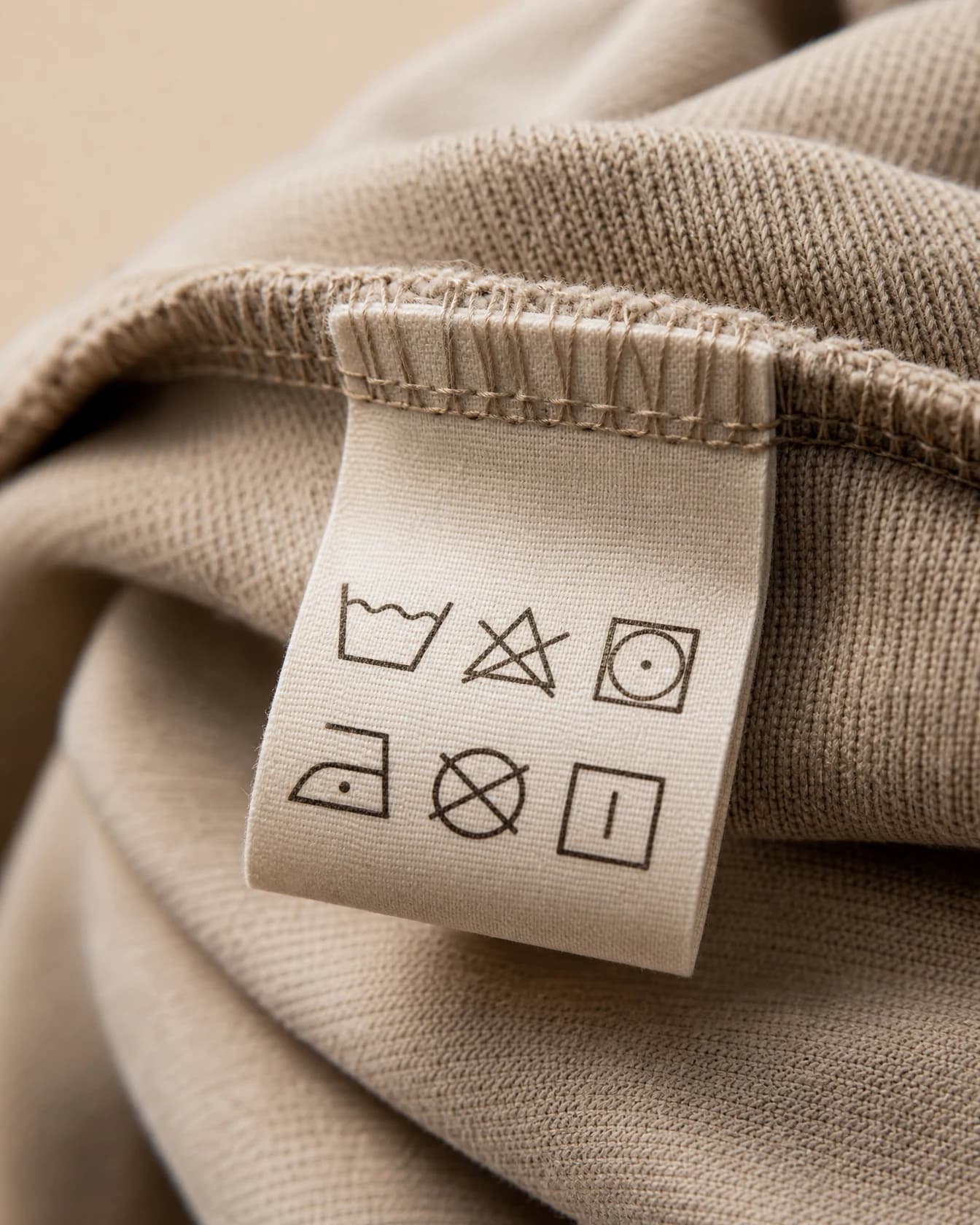
Compliance certificates can read like alphabet soup — BSCI, WRAP, OEKO-TEX, GOTS, SMETA — until a retailer asks for one you do not have and a purchase order stalls. Each standard answers a different question: how workers are treated, whether chemicals are safe, whether an organic claim is true. Knowing which is which lets you ask suppliers precise questions and promise your own customers only what you can prove.
Social compliance: how the people who make your product are treated
amfori BSCI
The most widely used social auditing system among European buyers. Factories are audited against a code covering fair remuneration, working hours, no child or forced labour, freedom of association, and health and safety, and graded A to E. BSCI is an improvement system rather than a pass/fail certificate — what you ask a supplier for is their latest audit grade and date, and anything below C deserves questions.
WRAP
Worldwide Responsible Accredited Production — a certification (not just an audit) focused on apparel and sewn products, dominant among North American buyers. Since 1 March 2026 WRAP issues one annual certificate per facility in place of its old Platinum and Gold levels (existing Platinum certificates run to their expiry date), which makes verification straightforward: ask for the certificate and check its dates.
Sedex / SMETA
Sedex is a data platform; SMETA is its audit format, covering labour, health and safety, environment and business ethics. UK retailers in particular tend to ask for SMETA. A factory serving international markets will often hold BSCI and/or WRAP plus SMETA — the overlap is real, and so is the audit fatigue factories carry to serve different buyer geographies.
The Bangladesh-specific layer
After the Rana Plaza collapse in 2013, Bangladesh built the most intensively inspected garment industry in the world: the Accord (now continued through the RMG Sustainability Council) drove a decade of structural, fire and electrical remediation across thousands of export factories. When sourcing from Bangladesh, ask whether a factory is covered under the RSC inspection programme — it is a meaningful, checkable safety signal that exists nowhere else at this scale.
Product safety: what is in the fabric
OEKO-TEX Standard 100
A laboratory test of the finished textile — fabric, thread, trims, prints — against a list of more than 1,000 harmful substances, from formaldehyde to restricted azo dyes. Class I covers articles for babies and children up to three years, Class II skin-contact products like underwear and shirts. This is a product certificate, not a factory one: confirm the certificate covers the actual article and components you are buying, and check its validity on the OEKO-TEX site — certificates carry numbers precisely so buyers can verify them.
Environmental and fibre claims
GOTS
The Global Organic Textile Standard certifies organic fibre content plus environmental and social criteria through every processing stage — ginning, spinning, dyeing, sewing. The critical mechanic: chain of custody. Every link must be certified, and a 'GOTS organic' claim on a finished garment is only valid if the sewing factory itself holds certification and issues a transaction certificate. 'GOTS-certified fabric' sewn in an uncertified factory is not a GOTS garment — a distinction that catches brands out constantly.
GRS and OCS
The Global Recycled Standard does the same chain-of-custody job for recycled content claims; the Organic Content Standard verifies organic fibre content without GOTS's broader processing criteria. If your marketing says 'recycled' or 'organic', one of these paper trails should exist behind the sentence.
| Standard | Certifies | Type | Ask the supplier for |
|---|---|---|---|
| amfori BSCI | Labour conditions | Audit grade (A–E) | Latest audit grade + date |
| WRAP | Labour conditions (sewn goods) | Annual certificate per facility | Certificate + validity dates |
| SMETA (Sedex) | Labour, safety, environment, ethics | Audit report | Most recent audit report |
| OEKO-TEX 100 | Chemical safety of the product | Product certificate | Certificate number to verify online |
| GOTS | Organic fibre + full processing chain | Scope + transaction certificates | Factory scope cert + TC per order |
| GRS | Recycled content chain | Scope + transaction certificates | Same structure as GOTS |
How to actually verify — and the subcontracting trap
- Ask for certificates and audit reports up front, before pricing gets serious — compliant suppliers send them without friction.
- Check names and addresses: the certificate must cover the facility where your goods are made, not the group's showcase unit.
- Verify online where possible — OEKO-TEX and GOTS both operate public certificate checks.
- Put unauthorised subcontracting in the contract: your goods may only be produced at the named, audited facility. This is the single most common way compliant sourcing quietly becomes non-compliant.
- For organic and recycled claims, collect transaction certificates for each order — that is what an auditor, or a journalist, will ask you for.
“Compliance is not a badge on a website; it is a paper trail that survives a hostile question. Buy from suppliers who treat producing that trail as routine.”
Frequently asked questions
What is BSCI certification?
Strictly, an audit system rather than a certification: amfori BSCI audits factories against a code covering fair remuneration, working hours, freedom from child and forced labour, freedom of association, and health and safety, then grades the facility A through E. It's the most widely used social auditing system among European buyers specifically because it functions as an improvement system rather than a one-time pass/fail certificate — factories are expected to close gaps between audits, not simply hold a static badge. When vetting a supplier, ask for their most recent audit grade and the date it was issued, since grades can shift between cycles. A grade below C is worth direct questions about what the findings were and what corrective action has been taken, rather than an automatic disqualifier.
What is the difference between BSCI and WRAP?
Both cover social compliance — labour conditions, working hours, safety — but they're structured differently and favoured by different buyer markets. BSCI, run by amfori, is an audit-and-improvement system: factories are graded A to E rather than simply passing or failing, and it's the standard most commonly requested by European buyers. WRAP — Worldwide Responsible Accredited Production — is a genuine certification focused specifically on apparel and sewn products, issuing a one-year certificate to each production unit (its Platinum and Gold levels ended on 1 March 2026), and it's the standard North American buyers tend to ask for. Because WRAP issues a dated certificate rather than a grade, it's simpler to verify: you just check the certificate and its expiry. Export factories serving both markets commonly hold both certifications side by side, along with SMETA for UK retailers, since buyer geography drives which credential gets asked for.
What does OEKO-TEX Standard 100 actually test?
It's a laboratory test of the finished textile and everything sewn into it — fabric, thread, trims, prints — checked against a list of more than 1,000 harmful substances, including formaldehyde and restricted azo dyes. Garments are classified by how much skin contact they get: Class I covers articles for babies and children up to three years and carries the strictest limits, Class II covers skin-contact adult products like underwear and shirts. It's important to know this is a product certificate, not a factory certificate — a supplier holding an OEKO-TEX certification for one article doesn't mean every product they make is covered, so confirm the certificate actually names the article and components you're buying. Certificates carry a unique number precisely so buyers can verify them directly on the OEKO-TEX website rather than taking a supplier's word for it.
Can I claim a garment is organic if the fabric is GOTS certified?
Only if the entire chain, including the sewing factory itself, holds GOTS certification and issues a transaction certificate for that specific order. The standard certifies organic fibre content plus environmental and social criteria across every processing stage — ginning, spinning, dyeing, sewing — and its critical mechanic is chain of custody: every link has to be certified, not just the fibre or the fabric mill. So 'GOTS-certified fabric' cut and sewn in a factory that doesn't hold its own GOTS certification does not produce a GOTS garment, no matter how clean the fabric's paper trail is — a distinction that catches brands out constantly, because it sounds like the hard part is already covered. If you plan to make an organic claim, ask for the factory's scope certificate and a transaction certificate per order, not just a fabric-mill document.
Do compliance certifications raise garment prices?
Modestly. Maintaining audited labour standards, chemical-safe inputs and, in Bangladesh, the structural, fire and electrical remediation driven by the post-Rana Plaza inspection programme all carry real ongoing costs, and a compliant factory's pricing reflects that. But the premium is small measured against the risk it removes — a workplace incident, a failed chemical test, or a false organic claim can cost far more than the price difference ever saved. In practice, it's a useful pricing signal in the other direction too: a quote that comes in well below the compliant market for the same product usually means an unaudited facility is sitting somewhere in the supply chain, whether at the sewing factory or a subcontractor you were never told about. Treat an unusually cheap quote as a question to ask, not a discount to accept.
How do I check a factory's certificates are real?
Verify the certificate numbers directly on the issuing bodies' public databases — both OEKO-TEX and GOTS operate online certificate checks precisely so buyers don't have to take a supplier's document at face value. Then match the facility name and address on the certificate to where your goods are actually being produced, not just to the group's headline showcase factory; certificates cover a specific location, and a holding company can operate several sites of very different standards. Put a clause in your contract restricting production to that named, audited facility, since unauthorised subcontracting is the single most common way a compliant sourcing relationship quietly becomes non-compliant without anyone deciding it should. For organic or recycled claims specifically, ask for a transaction certificate on every order — that's the document an auditor, or a journalist, will actually ask to see.
Sources
Ask us which factory will make your order, and for its WRAP certificate number, its latest amfori BSCI audit date and grade, and the OEKO-TEX certificate number for the fabric. If you need an organic claim, ask for the GOTS licence number of the facility sewing it and check it in the GOTS public database. Ask us for the documents before you ask for a price — we prefer buyers who check.
Where to next
- Choosing a clothing manufacturer in Bangladesh — the full guide
- Five ways to manufacture with us — FOB, CMT, private label, OEM, low-MOQ
- Our certifications — who holds which, and how to verify them
- What we manufacture — knit, woven, sweater and leather
- Sourcing for EU brands — duty, labelling, lead times
- Get costing, MOQ and a lead-time — usually the same business day

Homaira Jashim
Director, Belle Vouz Ltd
Homaira Jashim is a director of Belle Vouz Ltd and a co-founder of Collective Studio Ltd, its group company in Narayanganj. She works with brands from first enquiry to repeat orders.
More about the teamFree tools for clothing brands
MOQ, pricing and AQL calculators, a GSM ⇄ oz converter, a fillable tech pack template and a manufacturing glossary — built by our group company, Collective Studio, free to use.