In short
Garment sampling runs through up to six stages: proto, fit, size set, salesman samples, pre-production (PP) and top-of-production (TOP), typically taking four to eight weeks in total. The PP sample, made in the actual bulk fabric and trims, matters most because approving it sets the standard the whole order is inspected against.
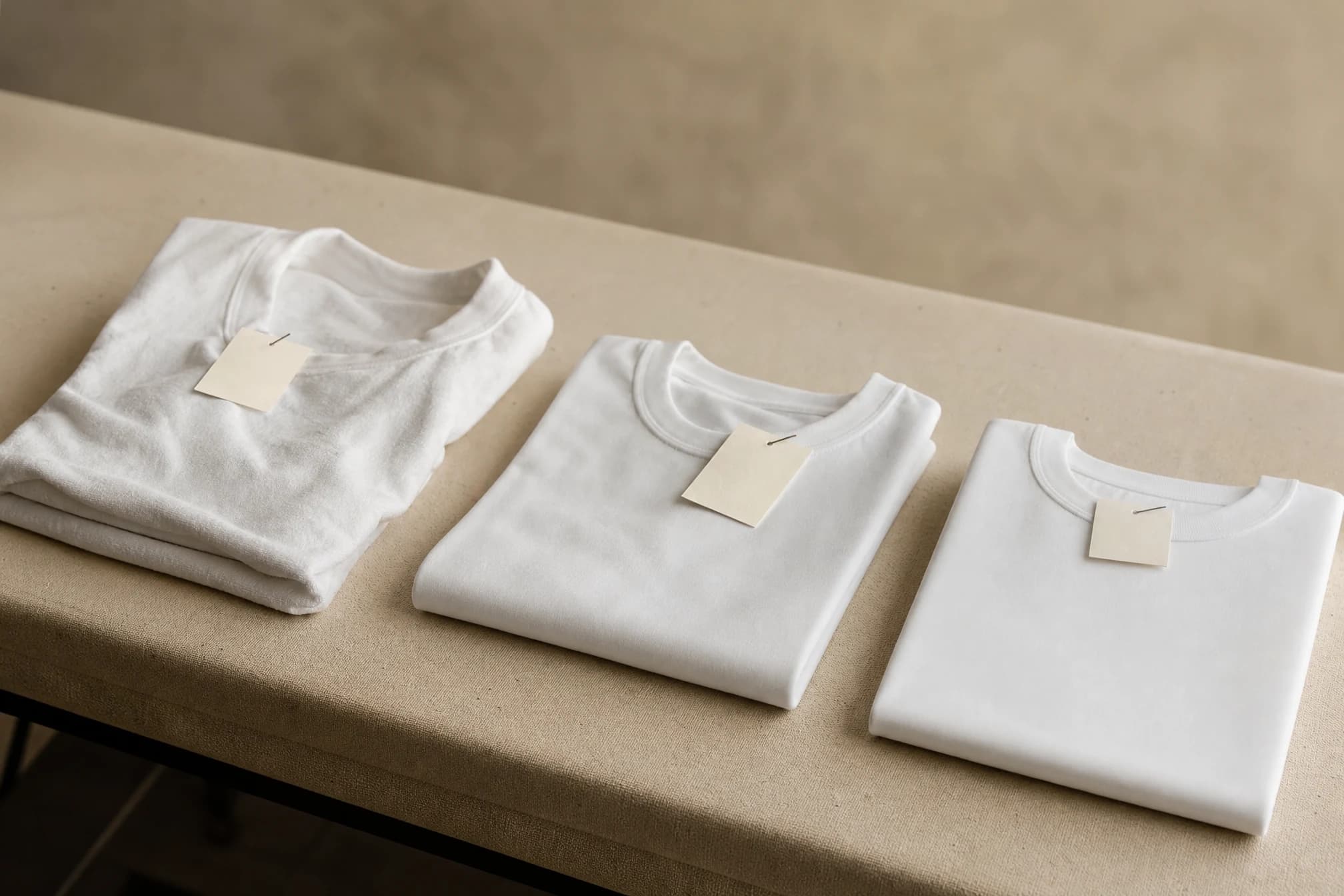
When a factory says 'the sample is ready', the right question is: which one? Sampling runs in stages, and each answers a different question before a single bulk piece is cut. Buyers who treat sampling as one gate — approve it, move on — consistently pay for it later, because each stage exists to catch a different class of expensive mistake.
Here is the full sampling ladder, what each stage is for, what it costs, how long it takes, and where you can safely compress it — plus the approval habits that keep a programme on schedule.
The stages, in order
Proto sample
The first physical version — it proves the design and construction work. Often made in available fabric and whatever colour is on the shelf, it is about the idea, not the final materials. Judge silhouette, proportions and construction logic. Do not judge colour, hand-feel or exact fit; that is not what this sample is for.
Fit sample
Made to your measurement spec and reviewed on a body or fit model. Corrections here — sleeve length, ease, rise, armhole depth — are cheap; the same fix after bulk is not. Expect one to three rounds, and give comments in numbers against the POM ('shorten body 2 cm') rather than adjectives ('feels long'). Numbers translate into pattern changes; adjectives translate into another round.
Size-set sample
One garment per size, checking that the grading rules produce a consistent fit across the range — a spec can grade correctly on paper and still fit badly at the extremes. Essential for ranges wider than three sizes; often skipped, and most regretted by exactly the brands that skipped it.
Salesman samples (SMS)
A short duplicate run in correct fabric and colours, made for showrooms, photography and wholesale selling before bulk exists. Not every programme needs them, but wholesale-led brands plan entire calendars around their delivery.
Pre-production (PP) sample
The contract sample: actual bulk fabric, actual trims, actual colour, actual labels, made — ideally — on the line that will run bulk. Approving the PP sample locks the standard the whole order is inspected against. It is the single most consequential signature in the process, and it should never be rushed or approved 'with comments' that nobody writes down.
Top-of-production (TOP) sample
Pulled from the first bulk output and checked against the approved PP. This is not a new approval — it is verification that bulk equals promise while there is still time to correct the line. Shipment samples pulled at packing close the loop.
| Stage | Rounds | Time per round | Typical cost |
|---|---|---|---|
| Proto | 1–2 | 5–10 days | $30 – $80 per sample |
| Fit | 1–3 | 5–10 days | $30 – $80 per sample |
| Size set | 1 | 7–12 days | Cost × number of sizes |
| SMS | 1 | 2–3 weeks | Near-bulk unit price × quantity |
| PP | 1–2 | 7–14 days (needs bulk fabric) | $40 – $150 per sample |
| TOP / shipment | 1 | From line output | Usually free |
Sampling charges are commonly credited back against the bulk order — ask, because policies differ. End to end, a disciplined programme spends four to eight weeks in sampling; the number one variable is not factory speed but how fast comments come back from the buyer's side.
Where you can compress — and where you cannot
- Safe: combining proto and first fit when working from a strong existing block or a reference garment close to your target.
- Safe: skipping SMS if you sell direct-to-consumer and photograph from the PP sample.
- Risky but survivable: skipping size-set on a three-size range with proven grading.
- Never: skipping the PP sample, or approving it before bulk fabric and real trims exist. A PP made in substitute fabric is a proto wearing a badge.
“Every day a sample sits unreviewed is a day added to your delivery date — and often more, because factory line slots do not wait. The fastest sampling programmes are run by the fastest commenters, not the fastest factories.”
How to give comments that shorten the process
Measure the sample against the POM before wearing it; separate fit comments (pattern changes, in centimetres) from make comments (stitching, pressing, trims); photograph issues with a ruler in frame; and consolidate all comments into one document per round — factories act on the last complete instruction they receive, and drip-fed comments across emails are how contradictions enter a spec.
Frequently asked questions
How many sampling stages are there?
Up to six: proto, fit, size-set, salesman samples, pre-production (PP) and top-of-production (TOP). Not every programme needs all of them — size-set is often skipped on narrow size ranges, and salesman samples only matter for wholesale-led brands selling before bulk exists — but every programme needs a genuine PP approval. That's because proto and fit samples exist to prove the design and the fit, often in substitute fabric, while only the PP sample uses actual bulk fabric, trims, colour and labels. Approving PP is what locks the standard the entire bulk order gets inspected against, which makes it the single most consequential signature in the process. TOP, pulled from the first bulk output, isn't a fresh approval stage so much as a check that the line is actually producing what PP promised.
How long does sampling take?
Four to eight weeks for a disciplined programme, at five to ten working days per round plus shipping — proto and fit rounds each run five to ten days, size-set seven to twelve, and PP seven to fourteen days because it needs bulk fabric already in hand. Buyer response time is usually the biggest variable, bigger than factory speed: every day a sample sits unreviewed on your desk is a day added to the delivery date, and often more than a day, because the factory's line slot doesn't wait for your reply and can pass to another order. The fastest sampling programmes are the ones run by the fastest commenters. Consolidating all your comments into one document per round, instead of drip-feeding them across emails, is the single biggest lever you control.
How much do samples cost?
Typically $30–$150 per sample depending on complexity and stage: proto and fit samples usually run $30–$80 each, PP samples $40–$150 because they require actual bulk fabric and trims, and size-set cost multiplies by however many sizes you're checking. TOP and shipment samples are usually free, since they're pulled directly from bulk output rather than made specially. Sampling charges are commonly credited back against the bulk order once it's placed, but policies differ between factories, so it's worth asking upfront rather than assuming. Salesman samples are priced differently again — near the bulk unit price times quantity, since they're a genuine short production run in real fabric and colours for showrooms and wholesale selling, not a development sample.
What is a PP sample and why does it matter most?
The pre-production sample is made in actual bulk fabric and trims, in the actual colour, with actual labels, ideally sewn on the line that will run bulk — and once approved, it becomes the standard the whole order is inspected against. That makes it effectively the quality contract for the order: whatever the PP looks like is what a buyer can reasonably expect a shipment to look like, and what an inspector checks bulk against. It differs from a proto sample, which is often made in whatever fabric and colour happen to be available and exists only to prove silhouette and construction logic. A PP sample made in substitute fabric or approved with unwritten comments defeats its own purpose — it should never be rushed.
Can I skip sampling to save time?
You can combine early stages when working from a proven block or a reference garment close to your target — proto and first fit often merge safely in that case. Skipping salesman samples is fine too if you sell direct-to-consumer and can photograph from the PP sample instead of a dedicated showroom run. Skipping size-set is riskier but survivable on a narrow, three-size range with grading rules that have already proven reliable. What you should never do is skip the PP sample, or approve one made in substitute fabric before real bulk fabric and trims exist — because skipping that approval to save two weeks is how a fit or colour problem that would have shown up in one sample instead reaches a full order of 2,000 pieces.
What is a TOP sample?
A garment pulled from the first bulk production output and checked against the already-approved PP sample — verification that the line is producing what was promised, while there is still time to correct it before the rest of the order runs. It isn't a new approval stage; the standard was already set when PP was approved, so TOP is a comparison, not a fresh judgment call. Because it comes directly from line output rather than a specially made sample, it's usually free and arrives fast. Shipment samples, pulled again at packing, close the loop the same way. Skipping TOP removes your last real chance to catch a drift between the approved standard and what the line is actually producing before goods are packed and shipped.
Our sampling runs on a shared tracker — you always know which stage, which round, and what we need from you. Send a design and we will map the exact sampling plan and calendar for it, usually the same business day.
Homaira Jashim
Director, Belle Vouz Ltd
Homaira Jashim is a director of Belle Vouz Ltd and a co-founder of Collective Studio Ltd, its group company in Narayanganj. She works with brands from first enquiry to repeat orders.
More about the teamFree tools for clothing brands
MOQ, pricing and AQL calculators, a GSM ⇄ oz converter, a fillable tech pack template and a manufacturing glossary — built by our group company, Collective Studio, free to use.