In short
Low-MOQ clothing manufacturing means programmes built for small batches, often from about 100 pieces per style (150 per style and colour at Collective Studio) against roughly 500 at a standard export factory, by pooling fabric, using stock colours and running dedicated small-batch lines. The trade-offs are a higher unit cost, less bespoke development and dye-lot minimums on custom colours.
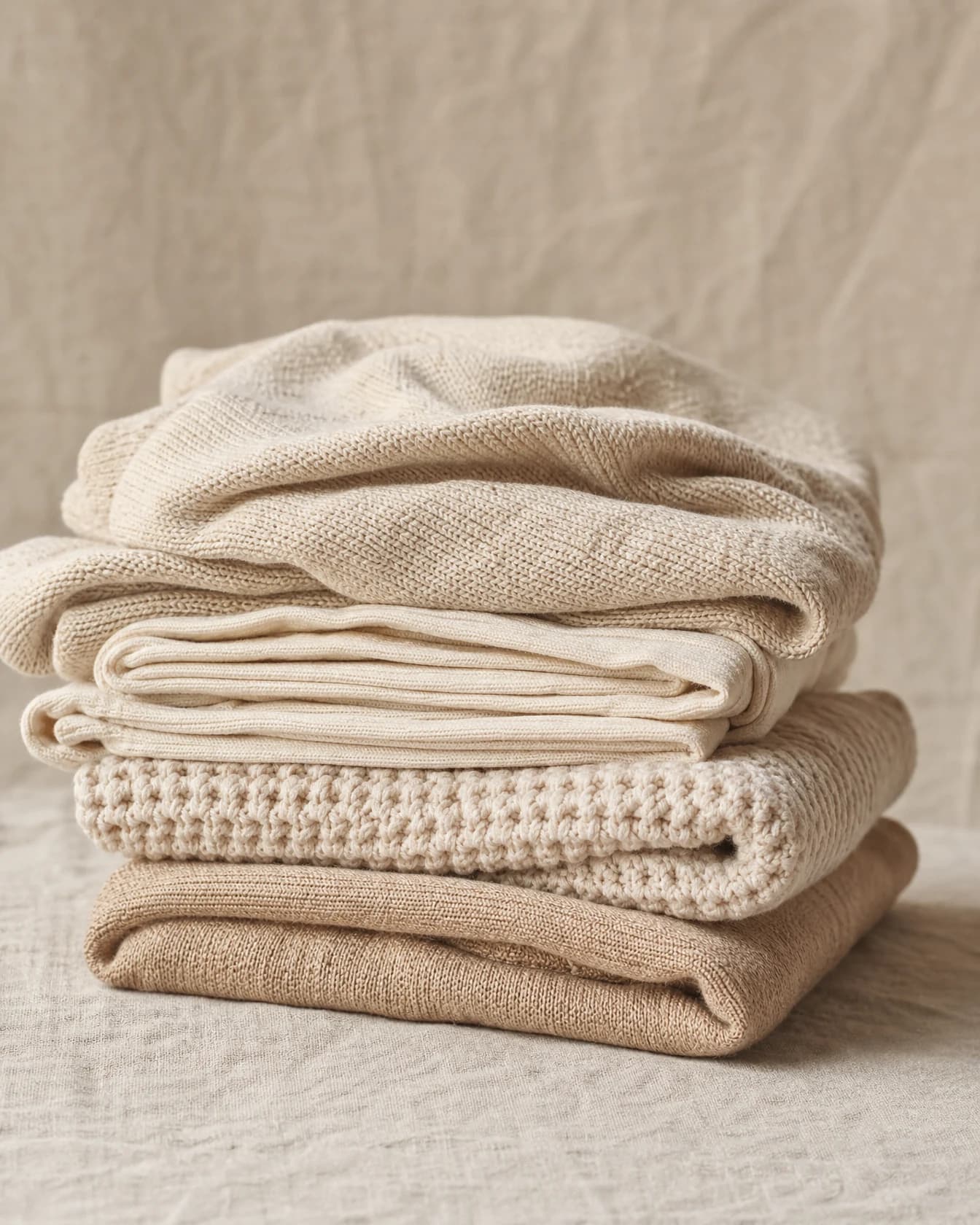
The best clothing manufacturer for a new brand is rarely the biggest or the cheapest one — it's the one whose minimum order quantity matches where you actually are. For a new brand, minimum order quantity is often the first hard wall. A factory geared for efficiency wants volume; a brand testing the market wants small, low-risk runs. Low-MOQ manufacturing exists to bridge that gap — but it comes with trade-offs worth understanding before you commit.
Why minimums exist in the first place
Before a single piece is sewn, a factory buys fabric and trims by the roll and the carton, sets up cutting markers, and books machine and labour time. Those setup costs are the same for 200 pieces or 2,000, so a small run carries them at a much higher cost per garment. MOQ is how a factory keeps that maths viable.
What 'low MOQ' actually means
For full-scale cut-and-sew production, a typical minimum is around 500 pieces per style and colour. 'Low-MOQ' programmes are purpose-built to go lower — often down to about 100 pieces per style — by pooling fabric, using stock-available qualities, and running dedicated small-batch lines.
The trade-offs of small runs
- Higher unit cost — setup is spread over fewer pieces.
- Fabric minimums — a custom colour may still require a mill's dye-lot minimum, so stock colours are cheaper at small scale.
- Less bespoke development — heavily customised trims and constructions push minimums back up.
- Longer relative lead times — small orders sometimes wait for line space between bulk runs.
How to make small batches work
- Consolidate colourways of one style to share development and fabric.
- Use existing mill colours to skip the dye-lot minimum entirely.
- Grow into tiers — sample small, commit to bulk once a style sells.
- Choose a partner built for low MOQ rather than squeezing a bulk factory.
Where Collective Studio fits
Low-MOQ production is the entire premise of our group company, Collective Studio. It makes knitwear from 150 pieces per style and colour, with about 10 days of sampling, then 40–50 days of production once the sample is approved, plus freight, and worldwide Delivered Duty Paid shipping — the same quality discipline as the wider Belle Vouz group, sized for emerging brands. When a programme outgrows small batches, it moves up into full-scale production with us seamlessly.
Frequently asked questions
What is considered a low MOQ for clothing manufacturing?
For full-scale cut-and-sew production, a typical minimum sits around 500 pieces per style and colour — that's the baseline most export factories are actually built around. 'Low-MOQ' programmes are purpose-built to go meaningfully below that, often down to around 100 pieces per style, by pooling fabric across multiple brands, sticking to stock-available fabric qualities instead of custom ones, and running dedicated small-batch production lines rather than squeezing a small order onto a line configured for volume. Our group company Collective Studio, for example, runs a minimum of 150 pieces per style and colour specifically, against the wider group's 500-piece standard for full-scale runs. The gap between those two numbers is exactly why 'low MOQ' means something different depending on which manufacturer you're asking — always confirm the actual number, not just the label.
Why can't factories just lower their minimum order quantity?
Because the economics genuinely don't work below a certain point, not because factories are being deliberately restrictive. Before a single piece gets sewn, a factory buys fabric and trims by the roll and the carton, sets up cutting markers specific to that style, and books machine and labour time — and every one of those setup costs is identical whether the run is 200 pieces or 2,000. Spread across a small run, that fixed setup cost becomes a much higher cost per garment, which is exactly what minimum order quantity exists to protect against. Purpose-built low-MOQ programmes solve this differently, not by ignoring the maths but by pooling fabric purchases across multiple brands and using stock-available fabric qualities that skip the custom dye-lot minimum entirely — which is why a genuine low-MOQ manufacturer looks structurally different from a bulk factory simply agreeing to a smaller order.
What are the trade-offs of ordering below standard MOQ?
Four real trade-offs worth knowing before you commit to a small run. Unit cost runs higher, since the same setup cost gets spread across fewer pieces. Fabric minimums can still bite even in a low-MOQ programme — a custom colour may require a mill's dye-lot minimum regardless of how few finished pieces you're ordering, so sticking to stock colours is genuinely cheaper at small scale. Development gets less bespoke, since heavily customised trims and constructions push minimums back up toward standard levels. And lead times run relatively longer, since small orders sometimes wait for available line space between a factory's bulk runs rather than getting dedicated priority. None of these are dealbreakers, but a brand that understands them going in negotiates a smarter first order than one expecting small-batch production to work exactly like bulk production at a smaller scale.
How can I make a small clothing order more cost-effective?
Four practical levers, in roughly the order they matter. Consolidate colourways within one style rather than spreading your budget across several different styles, since that shares development and fabric costs across more finished pieces. Use a mill's existing stock colours instead of commissioning a custom shade, which skips the dye-lot minimum that drives cost up on small runs. Treat your first order as a sampling tier rather than the final word — sample small, prove the style sells, then commit to a full bulk run once demand is confirmed rather than guessing at scale upfront. And choose a manufacturer actually built for low-MOQ production, like our group company Collective Studio, rather than trying to negotiate a bulk-focused factory down to an order size its whole cost structure isn't designed around.
Sources
Still mapping out the steps before your first run? Collective Studio's free step-by-step guide covers the same MOQ and cost basics from a brand-new-founder's perspective.
Homaira Jashim
Director, Belle Vouz Ltd
Homaira Jashim is a director of Belle Vouz Ltd and a co-founder of Collective Studio Ltd, its group company in Narayanganj. She works with brands from first enquiry to repeat orders.
More about the teamFree tools for clothing brands
MOQ, pricing and AQL calculators, a GSM ⇄ oz converter, a fillable tech pack template and a manufacturing glossary — built by our group company, Collective Studio, free to use.